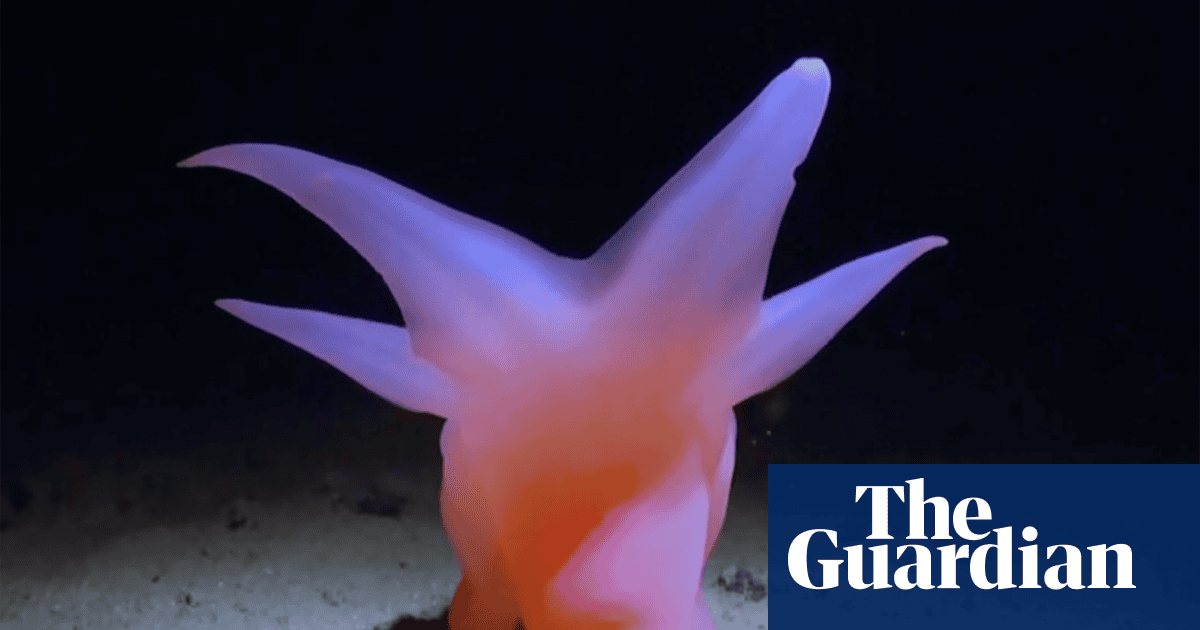
Meet Barbie Pig: new documentary reveals the wonders of life on the Pacific seabed - The Guardian
Meet Barbie Pig: new documentary reveals the wonders of life on the Pacific seabed The Guardian Source:https://www.theguardian.com

The future of spacecraft windows: 'We can't just live in a box' - Space
The future of spacecraft windows: 'We can't just live in a box' Space NASA seeks safer windows for next-generation spacecraft Daily Sabah Window

Nancy Grace Roman Space Telescope test images - Boing Boing
Nancy Grace Roman Space Telescope test images Boing Boing NASA’s Nancy Grace Roman Telescope glimpses its first cosmic light Scientific American NASA just powered up Roman’s massive 300-megapixel
Briny 'death pools' hold clues to early life - Phys.org
Briny 'death pools' hold clues to early life Phys.org Source:https://phys.org
Astronomers detect radio signals coming from an exoplanet for the first time - Phys.org
Astronomers detect radio signals coming from an exoplanet for the first time Phys.org Radio signals detected from a planet beyond our Solar System. Landmark discovery could help us search

This 'fire amoeba' pushes the limit of what's possible for complex life - NPR
This 'fire amoeba' pushes the limit of what's possible for complex life NPR At 145 Degrees, This Amoeba Manages to Keep Its Cool
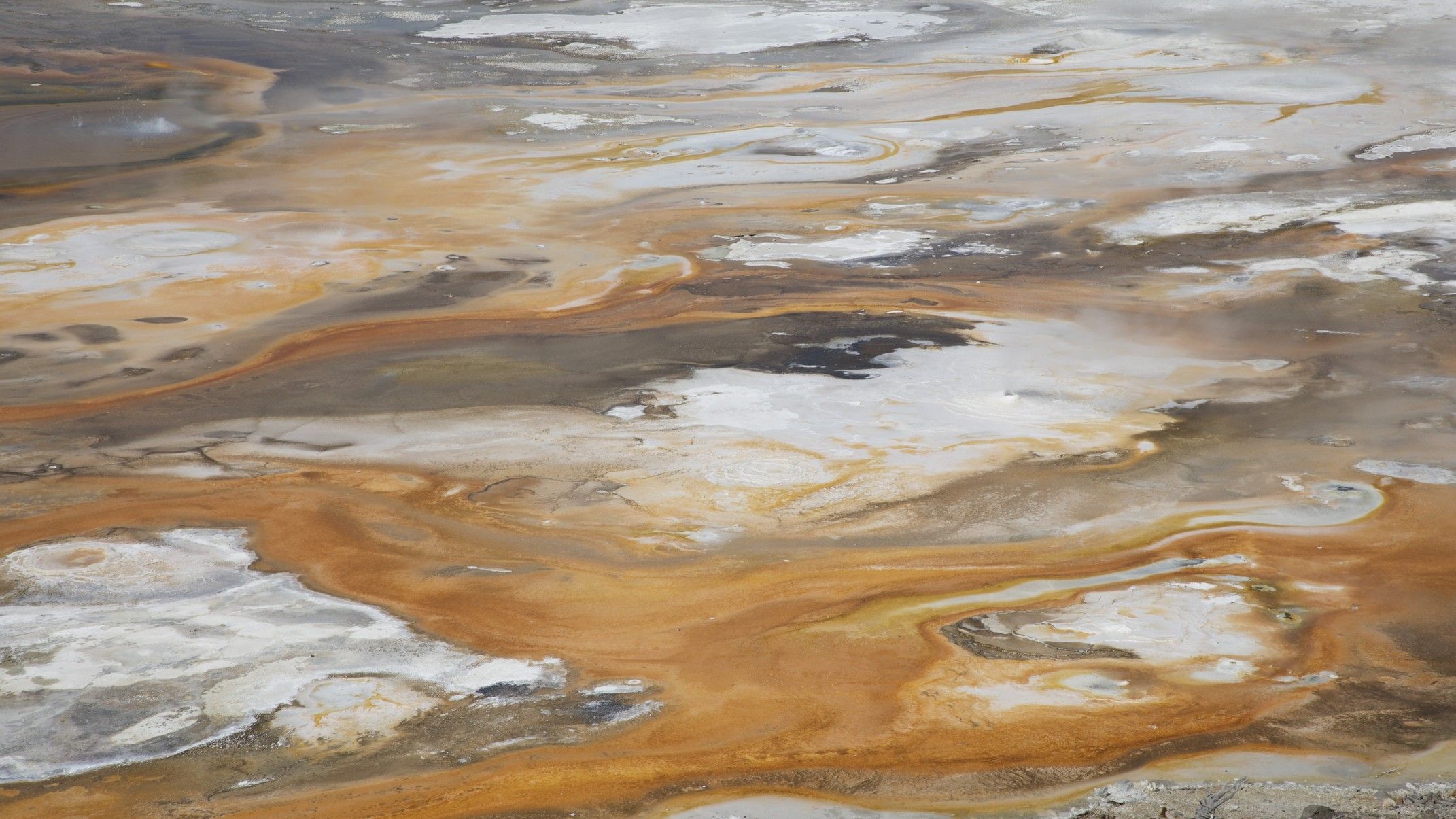
Scientists identify 'sweet spot' for early stage of life on Earth that preceded LUCA, the ancestor of all living things - Live Science
Scientists identify 'sweet spot' for early stage of life on Earth that preceded LUCA, the ancestor of all living things Live Science Earth may have gained
Tenacious hot springs amoeba sets heat-tolerance record - Reuters
Tenacious hot springs amoeba sets heat-tolerance record Reuters At 145 Degrees, This Amoeba Manages to Keep Its Cool The New York Times NASA-Funded Research Finds Complex Life Defying Record Heat

Hot spring amoeba breaks record for heat tolerance of complex life - Phys.org
Hot spring amoeba breaks record for heat tolerance of complex life Phys.org At 145 Degrees, This Amoeba Manages to Keep Its Cool The New York Times NASA-Funded Research Finds
New ‘fire amoeba’ breaks heat survival record - Financial Times
New ‘fire amoeba’ breaks heat survival record Financial Times At 145 Degrees, This Amoeba Manages to Keep Its Cool The New York Times NASA-Funded Research Finds Complex Life Defying Record
How lead-based ink may reveal hidden text on scorched Herculaneum scrolls - CNN
How lead-based ink may reveal hidden text on scorched Herculaneum scrolls CNN Watch scientists decipher burned scrolls without unrolling them Nature A Volcano Toasted This Scroll 2,000 Years Ago.
Spectacular image from the surface of Mars – and scientists get a big surprise while searching for signs of ancient life - BBC Sky at Night Magazine
Spectacular image from the surface of Mars – and scientists get a big surprise while searching for signs of ancient life BBC Sky at Night Magazine NASA Discovery Reveals Complex Water