Lifestyle

LPT Have heavy duty work gloves in your emergency kit.
Recently spoke to a first responder on a team that flies around the world to major disasters in urban areas. If you are uninjured you are most likely to be
LPT - you almost never need to use the word literally.
it doesn’t add weight or significance to your statement. submitted by /u/DryManagement1495 [link] [comments] Source:https://www.reddit.com/r/LifeProTips/comments/1x25f79/lpt_you_almost_never_need_
LPT: Instead of resting on Sunday, do it on Saturday then stay active on Sunday whether doing fun activities or maintaining your home and getting ready for the week or both.
For those of you who work from Monday through Friday, doing this will help reduce the dread that you feel on Sunday at the thought of starting a new work

Northern Lights could be visible in Capital Region this weekend - Times Union
Northern Lights could be visible in Capital Region this weekend Times Union Moderate (G2) Geomagnetic Storms Likely on 11 Oct 2026 NOAA Space Weather Prediction Center (.gov) The Northern Lights
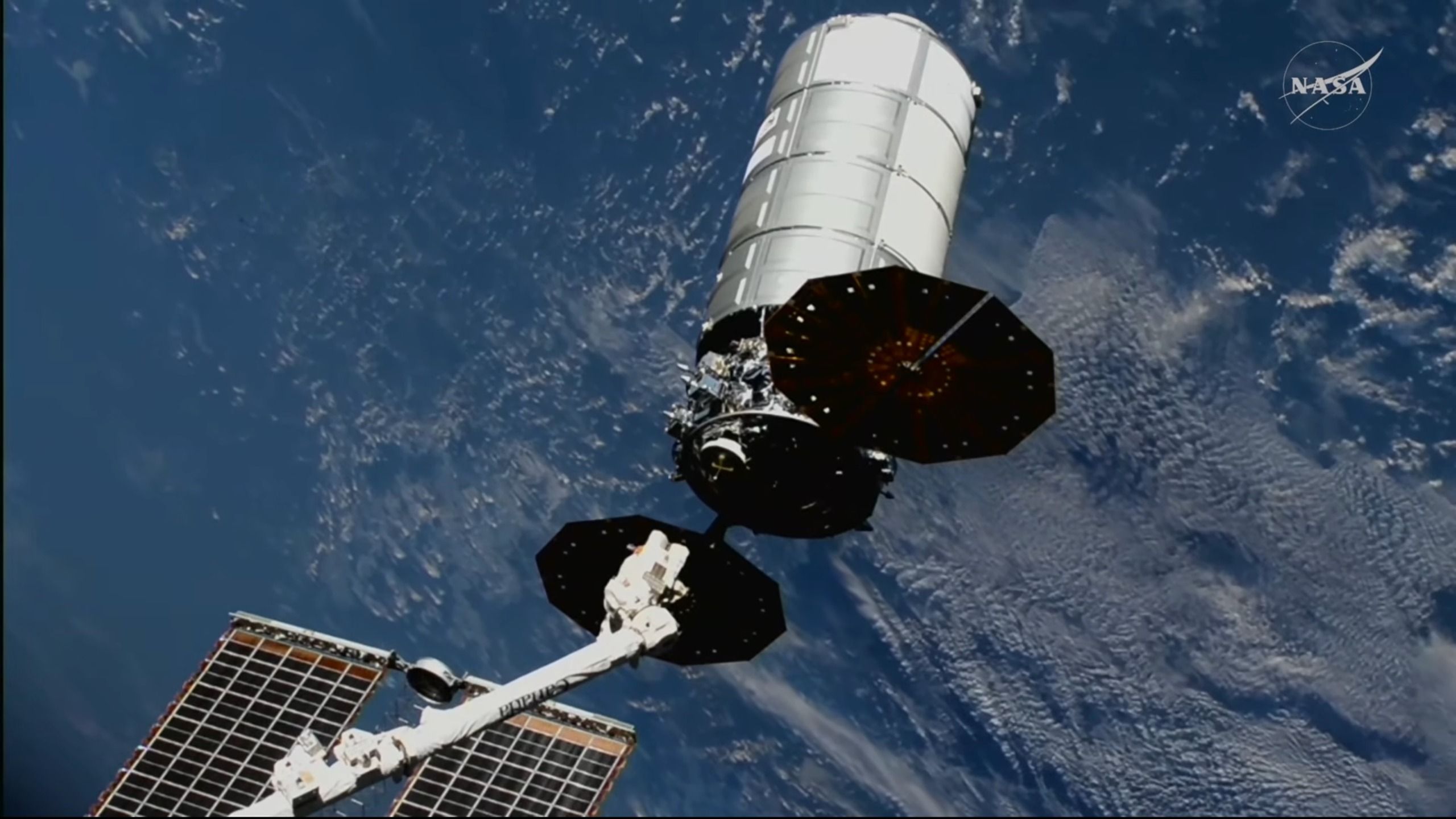
Private Cygnus XL cargo spacecraft departs the International Space Station after 6-month stay (video) - Space
Private Cygnus XL cargo spacecraft departs the International Space Station after 6-month stay (video) Space NASA to Cover Northrop Grumman CRS-24 Spacecraft Departure NASA (.gov) Cygnus XL Cargo Spacecraft Departing
LPT When you’re too drunk and can’t sleep because you start spinning when you close your eyes, put your foot on the floor
If you’ve ever been super drunk, then you know this feeling. Every time you close your eyes to go to sleep, the room spins, but if you put your
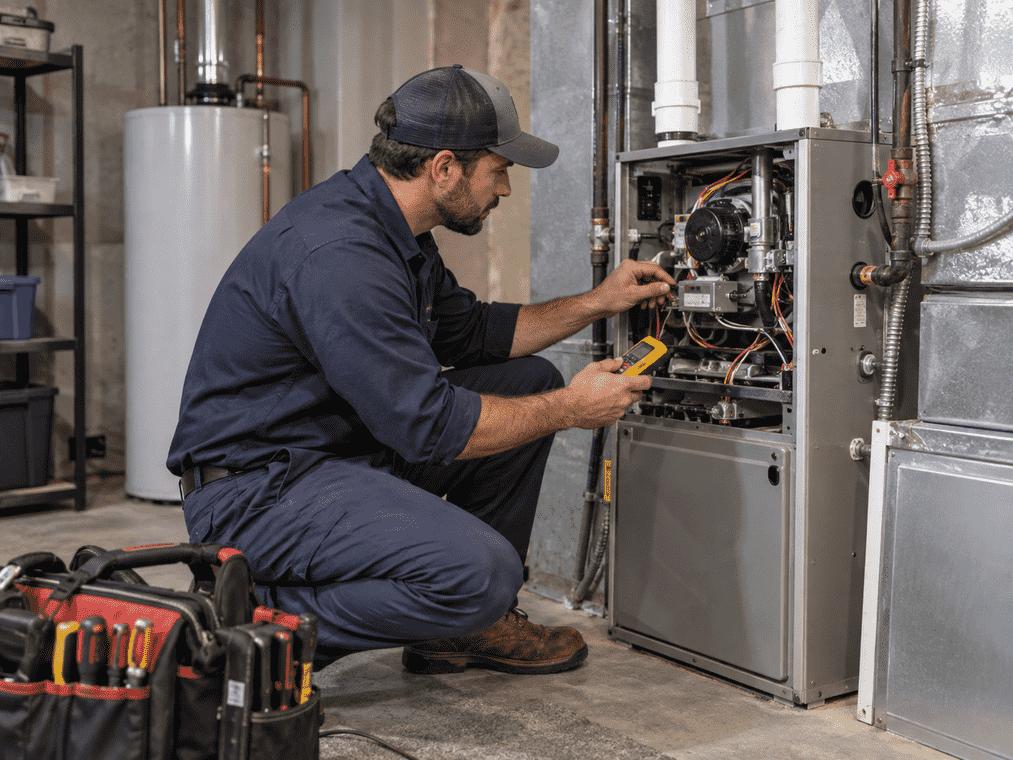
LPT: Run your heater for a few minutes before the first cold night, not during it. If it’s broken, you can still get a repair appointment.
HVAC companies get slammed the first week it turns cold, because that’s when everyone finds out their heater doesn’t work. Turn yours on for 10–15 minutes on

Webb Telescope Detects Galaxy Origin Of The Farthest Fast Radio Burst We've Seen To Date - Engadget
Webb Telescope Detects Galaxy Origin Of The Farthest Fast Radio Burst We've Seen To Date Engadget Webb Measures Distance to Farthest Fast Radio Burst, Suggesting Origin NASA
Superconducting circuit links smaller photon groups into larger entangled states - Phys.org
Superconducting circuit links smaller photon groups into larger entangled states Phys.org Source:https://phys.org
Curiosity Rover Snaps Another Banger Photo: A Martian Mountain at Dawn - PetaPixel
Curiosity Rover Snaps Another Banger Photo: A Martian Mountain at Dawn PetaPixel NASA rover takes striking image of dawn's early light on Mars Reuters NASA’s Curiosity
LPT - If you use a standing desk, buy a pair of professional chef shoes for maximum comfort
Due to back pain, I'm trying to work standing up as much as possible. But after some time, my feet got tired. I started looking for some
LPT/ advice?
For those that have been extremely consistent with their goals and things they want to accomplish for their life. What is it; I know there’s no superpower for it,